Recreating the Kalshi ad on the cheap: where the $2,000 actually went
The famous $2,000 AI ad spent most of its budget on takes nobody saw. Re-budgeted, with the discards removed.
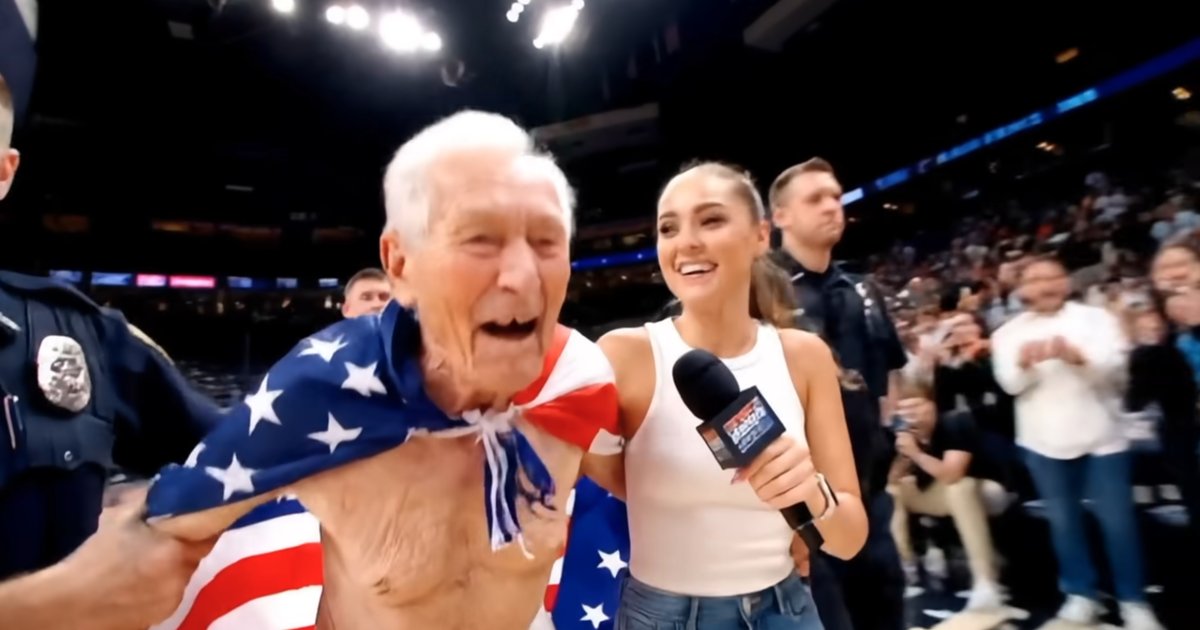
In June 2025 a prediction-market company aired a fully AI-generated spot during the NBA Finals. It was made by one person in two or three days for about $2,000, against the hundreds of thousands a comparable broadcast production bills. The $2,000 became the headline, and it deserved to be — it moved the decimal point on what a television ad costs.
We think the headline undersold it. Buried in the director’s own write-up is the number that actually explains the budget: 300 to 400 generations to get 15 usable clips.
That is a yield of about four percent. Roughly 96 cents of every dollar bought footage nobody saw.
The discards were the product of the workflow, not the model
The workflow, as published, was a prompt lottery: write a script, turn it into prompts, generate, watch, discard, refine the prompt, generate again. Every generation is a fresh roll of the entire shot — performance, framing, lighting, dialogue, all at once. When one element misses, the whole clip is a discard, and the only lever is to re-describe the shot in words and pull the handle again.
Nothing about that is a criticism of the director, who got a broadcast spot out of a slot machine in a weekend. It is a criticism of the slot machine. Words are a lossy way to specify an image, and re-rolling video is the most expensive possible way to iterate on one.
Worth noticing: the ad is a montage of unconnected absurdist vignettes. No shot has to match any other. That is the easiest shape of film for AI video — it is exactly what the models are good at — and the lottery still threw away 24 clips for every one it kept.
Re-budgeting the keeps
Start with what the finished ad actually contains: 15 short clips. At the per-clip provider costs we measured and published in the fidelity report — $1.60 for an 8-second Veo 3.1 clip, $0.52 for a 5-second Gemini Omni Flash clip, our cost at the time of the run, not a retail price — the keeps of the Kalshi ad cost:
- 15 clips on Veo 3.1 at 8 seconds: about $24.
- 15 clips on Omni Flash at 5 seconds: about $8.
Even the entire slot machine has deflated. All 350 generations re-run at those rates come to roughly $560 on Veo, $180 on Omni Flash — a reminder that part of the original $2,000 was simply mid-2025 pricing, and provider prices have moved the way provider prices move.
So the interesting question is not “can you make the Kalshi ad for $2,000.” It is: how much of the gap between $8 and $560 do you have to pay? That gap is pure yield, and yield is a workflow property, not a model property.
Iterate in stills, not clips
The single biggest lever: stop auditioning shots in video. A generated still costs a fraction of a clip and comes back in seconds; a clip costs real money and, in our measured runs, 45 to 75 seconds of waiting. In Lunar Canoe you author a shot as a still first — generate, look, re-roll, nudge — and only when the frame is right do you spend clip money on it.
That trade works because first-frame conditioning is the one thing the models are nearly perfect at: in our measurements, a clip conditioned on a still opens on it effectively pixel-exactly. The still is not a mood board; it is a contract the clip actually honours. Most of the Kalshi ad’s 350 rolls were spent discovering framing, casting and composition in the most expensive medium available. Stills move that discovery to the cheapest one.
Pay per shot, never per sequence
The remaining rolls — the ones where the still was right and the motion or line reading missed — are contained by structure. Each shot in a storyboard is conditioned on its own authored boundaries, not on the output of the shot before it, so a re-roll is scoped to one clip. Re-rolling shot 9 cannot disturb shots 8 or 10, and the bill for a miss is one clip, not a cascade.
Two smaller line items disappear as well:
- Configurations we measured to drift are refused at authoring time. A four-second Veo clip on a pinned boundary misses by 5.5% — visibly — so the app declines to render it rather than charging you to find out.
- A render blocked by the provider’s safety filter is not billed. A clip you never received is not a clip you bought.
What is left in the bill
Honesty about the residue: taste is not automatable, and the human day or two of writing, curating and editing was the part of the Kalshi production that mattered most. That cost does not deflate. And our figures are provider costs from instrumented runs, published with their dates on the fidelity page; they are not a rate card, and providers reprice.
But the shape of the answer holds. The $2,000 ad was mostly a $1,900 pile of discards attached to a $100 film, at prices that no longer apply. Author the frames cheaply, spend clip money only on approved frames, and contain every miss to the shot that missed, and the same 15 keeps land in the tens of dollars — which is to say, the famous number was off by an order of magnitude, in the direction nobody complains about.
That workflow — stills first, boundaries pinned, shots independent — is what Lunar Canoe is. Bring the script; the slot machine stays home.
Written by the people building Lunar Canoe, a storyboard for AI video. More posts on the blog index, or subscribe by RSS.